Yvette Sheline is the McLure Professor of Psychiatry and Behavioral Research in the Perelman School of Medicine.
(Image: Courtesy of Penn Medicine)
Psychiatric faculty mentorship programs are key to this expert’s journey
Psychiatry and behavioral research professor Yvette Sheline has crafted a program to provide mentorship opportunities catered specifically to psychiatry researchers.
Standardizing provider assessments to aid veterans at risk of suicide
A Penn Medicine study of nearly 39,000 health records is the first to examine access to firearms and opioids, and completion of related interventions, among veterans at risk for suicide receiving care at the VA.
Science behind genetic testing for identifying risk of opioid misuse remains unproven
A new report from researchers at the Perelman School of Medicine and Crescenz VA Medical Center has evaluated a genetic test for opioid use disorder that recently received pre-marketing approval by the FDA, finding that the genes comprising it do not accurately identify individuals likely to develop the disorder.
Report encourages equity in pay for people with disabilities
New research from Penn’s Perelman School of Medicine finds no significant negative impact of repealing a Depression-era law allowing companies to pay workers with disabilities below minimum wage.
Top row, left to right: Zoltan Pierre Aramy, Kathryn H. Bowles, and Scott D. Halpern. Bottom row, left to right: Eugenia South, Alexis A. Thompson, and E. John Wherry III.
nocred
Six Penn experts elected to National Academy of Medicine
The honor recognizes individuals who have demonstrated outstanding professional achievement and commitment to service.
Penn Medicine’s Dominic Sisti is part of a group of experts including bioethicists, psychiatrists, and Indigenous scholars charting a path toward crafting guidelines for the ethical use of psychedelics.
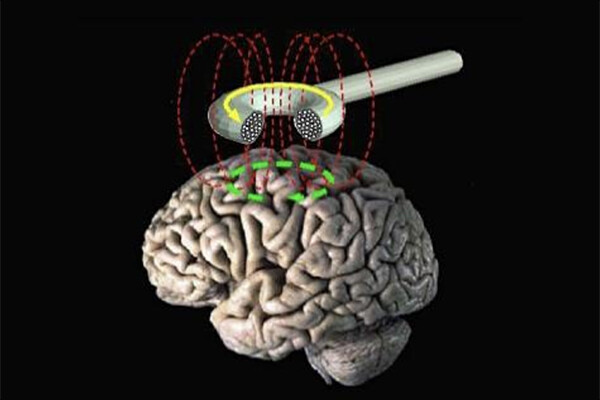
New form of repetitive magnetic brain stimulation reduces treatment time for bipolar disorder
The potential bipolar disorder therapy can be completed in five days of treatment, compared to four-to-six weeks for standard transcranial magnetic simulation treatments.
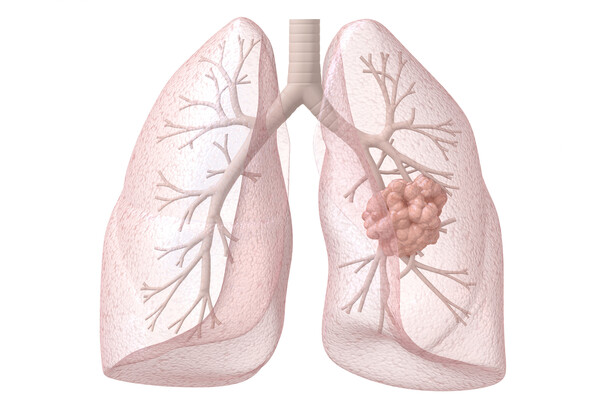
Slowing inflammation may boost immunotherapy’s effectiveness against advanced lung cancer
Patients with stage 4 lung cancer show high response rates after an anti-inflammatory drug is added temporarily to immune checkpoint inhibitor therapy.
Identifying connections between adverse childhood events and substance use disorders
New research from Penn Medicine finds that people with anxiety and substance use disorders reported experiencing more adverse childhood experiences and lacking protective factors, such as close family connections, that can mitigate their harms.
First study of civilian space crew charts course for research as commercial flight heats up
Penn Medicine researchers have investigated physiological and mental changes in the Inspiration4 crew, the first all-civilian mission operated by SpaceX.