Opioids Now Most Prescribed Class of Medications, Penn Researcher Finds
Two reports by addiction researchers at the University of Pennsylvania School of Medicine and the National Institute on Drug Abuse show a drastic shift in prescribing patterns impacting the magnitude of opioid substance abuse in America. The reports, published in JAMA, recommend a comprehensive effort to reduce public health risks while improving patient care, including better training for prescribers, pain management treatment assessment, personal responsibility and public education.
The JAMA Research Report shows that there has been a drastic increase in opioid prescriptions while prescriptions for non-steroidal anti-inflammatory drugs (NSAIDs) have gone down. Prescriptions for hydrocodone and oxycodone account for 84.9 percent of opioid prescriptions. Over ten years, there has been a fivefold increase in admissions to substance abuse programs for opioid addiction.
Nanoparticle blueprints reveal path to smarter medicines
New research involving Penn Engineering shows detailed variation in lipid nanoparticle size, shape, and internal structure, and finds that such factors correlate with how well they deliver therapeutic cargo to a particular destination.
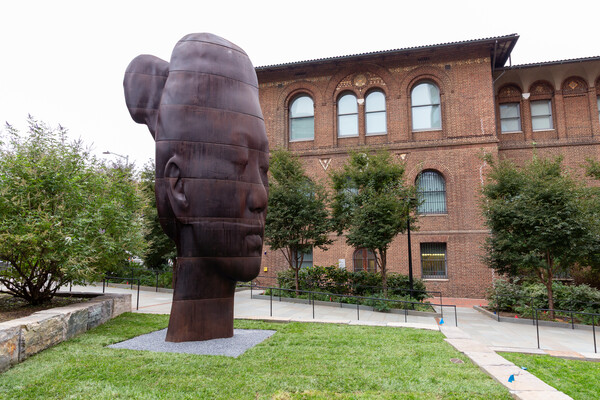
A generous gift from alumni Glenn and Amanda Fuhrman brings the work of internationally acclaimed artist Jaume Plensa to the University of Pennsylvania. The latest addition to the Penn Art Collection expands Philadelphia's public art.
A massive chunk of ice, a new laser, and new information on sea-level rise
For nearly a decade, Leigh Stearns and collaborators aimed a laser scanner system at Greenland’s Helheim Glacier. Their long-running survey reveals that Helheim’s massive calving events don’t behave the way scientists once thought, reframing how ice loss contributes to sea-level rise.