Report predicts aging homeless population will nearly triple by 2030
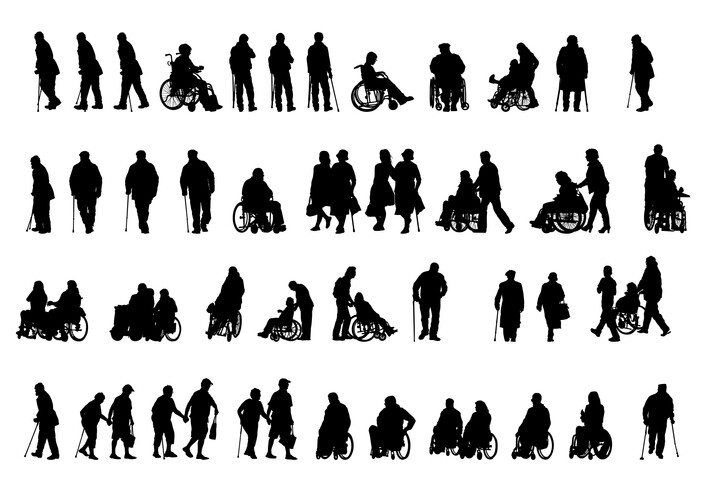
The population of individuals who are homeless and elderly is expected to nearly triple over the next decade, according to a new study released by researchers at the University of Pennsylvania, University of California Los Angeles, New York University, and Boston University.
Experts say the projected upturn of the aging homeless population—concentrated among those born between 1955 and 1966—will also lead to a surge of cost increases associated with health care and shelter needs.
The multi-site study includes Boston, New York City, and Los Angeles County, but is likely indicative of growth that is expected to take place across the country, according to homelessness expert Dennis Culhane, The Dana and Andrew Stone Professor of Social Policy at the School of Social Policy & Practice.
More specifically, the national population of people 65 or older experiencing homelessness is estimated to grow from 40,000 to 106,000 by 2030. The predicted spike is based on 30 years of existing census data.
“Caring for this elderly group in homelessness is going to cost about $5 billion a year—that’s just for their health care and shelter, not to house them,” said Culhane.
Nanoparticle blueprints reveal path to smarter medicines
New research involving Penn Engineering shows detailed variation in lipid nanoparticle size, shape, and internal structure, and finds that such factors correlate with how well they deliver therapeutic cargo to a particular destination.
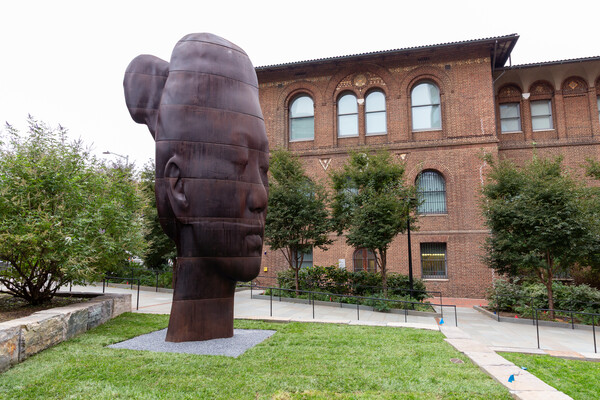
A generous gift from alumni Glenn and Amanda Fuhrman brings the work of internationally acclaimed artist Jaume Plensa to the University of Pennsylvania. The latest addition to the Penn Art Collection expands Philadelphia's public art.
A massive chunk of ice, a new laser, and new information on sea-level rise
For nearly a decade, Leigh Stearns and collaborators aimed a laser scanner system at Greenland’s Helheim Glacier. Their long-running survey reveals that Helheim’s massive calving events don’t behave the way scientists once thought, reframing how ice loss contributes to sea-level rise.