The snow graphics in ‘Frozen’ can predict the mechanics of real avalanches
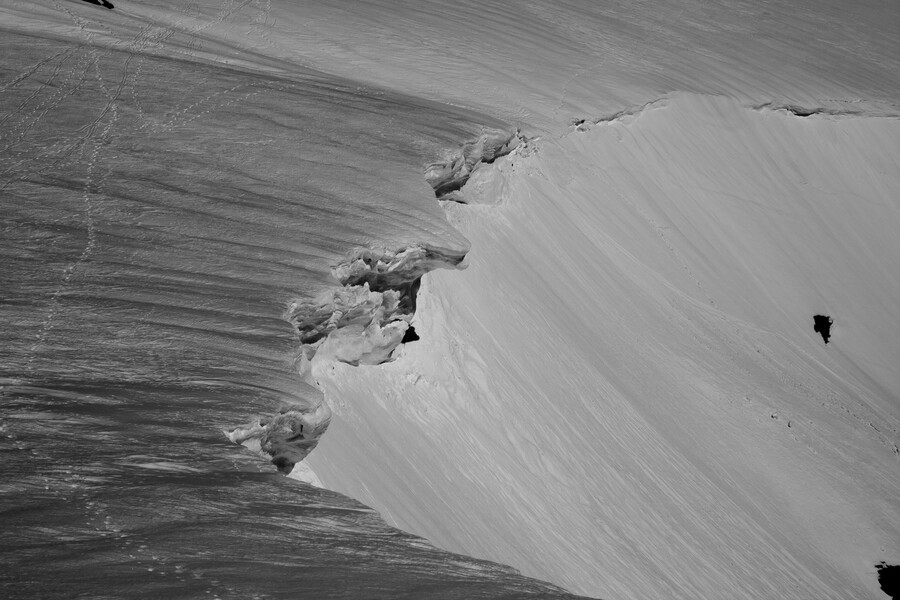
When a slab of snow cracks and slides down a slope, the exact size and shape of the resulting avalanche is hard to predict. The sliding slab is denser than the snow underneath it, giving the system a mix of solid and liquid properties.
Chenfanfu Jiang, an assistant professor in the Department of Computer and Information Science, is an expert on the dynamics involved in porous materials. But unlike most research in applied mathematics and physics-based simulations, Jiang’s work has been seen by millions of people around the world. Before coming to Penn, he developed computer graphics for the entertainment industry; his computational models of snow, sand, and water have appeared in the Disney films Frozen, Zootoptia, and Moana.
The math that power these realistic digital depictions are now set to have a real-world impact. Jiang recently published a study in Nature Communicationsthat leverages these simulations as a way of capturing and predicting the complexity of a slab of snow’s behavior as cracks propagate through it.
Along with colleagues from the Swiss Federal Institute of Technology and the University of California, Los Angeles, Jiang developed a numerical model that accurately conforms to real-life observations of so-called snow slab avalanches.
Nanoparticle blueprints reveal path to smarter medicines
New research involving Penn Engineering shows detailed variation in lipid nanoparticle size, shape, and internal structure, and finds that such factors correlate with how well they deliver therapeutic cargo to a particular destination.
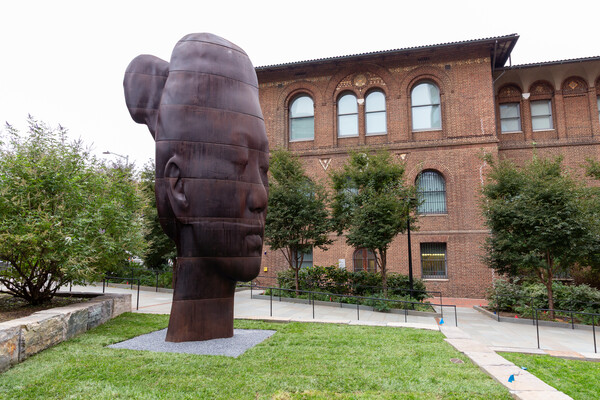
A generous gift from alumni Glenn and Amanda Fuhrman brings the work of internationally acclaimed artist Jaume Plensa to the University of Pennsylvania. The latest addition to the Penn Art Collection expands Philadelphia's public art.
A massive chunk of ice, a new laser, and new information on sea-level rise
For nearly a decade, Leigh Stearns and collaborators aimed a laser scanner system at Greenland’s Helheim Glacier. Their long-running survey reveals that Helheim’s massive calving events don’t behave the way scientists once thought, reframing how ice loss contributes to sea-level rise.