Many kidneys discarded in the United States would be transplanted in France
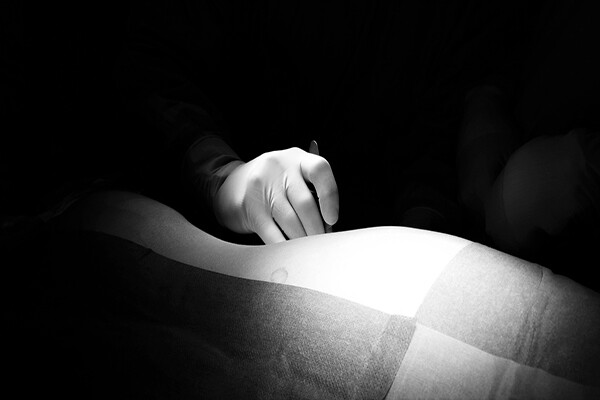
French organ transplant centers are far more likely to accept “lower-rated” kidneys, like those from older organ donors, than centers in the United States, according to a first-of-its kind analysis published in JAMA Internal Medicine. French transplant centers would have transplanted more than 60 percent—about 17,500 kidneys—of the nearly 28,000 deceased-donor kidneys discarded in the United States between 2004 and 2014, according to the research team from Penn Medicine and the Paris Transplant Group.
“These findings highlight the striking disparities in organ acceptance between the two countries and suggest that many of the 90,000 Americans awaiting a kidney transplant could reap major benefits from a more aggressive approach,” says study co-author Peter Reese, an associate professor of medicine and epidemiology in the Perelman School of Medicine. “Our study provides fresh evidence that organs from older deceased donors are a valuable, underused resource—particularly for people on the waitlist who otherwise may not receive a transplant at all.”
Nanoparticle blueprints reveal path to smarter medicines
New research involving Penn Engineering shows detailed variation in lipid nanoparticle size, shape, and internal structure, and finds that such factors correlate with how well they deliver therapeutic cargo to a particular destination.
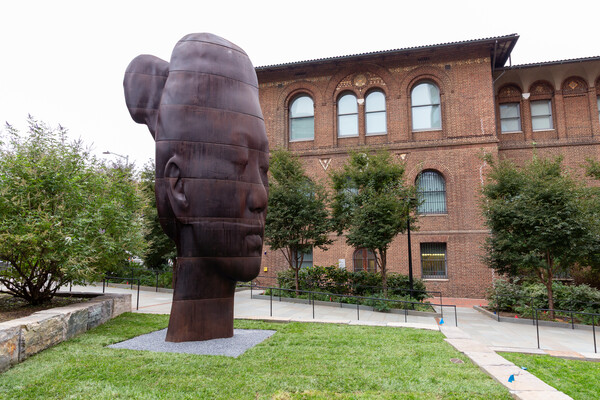
A generous gift from alumni Glenn and Amanda Fuhrman brings the work of internationally acclaimed artist Jaume Plensa to the University of Pennsylvania. The latest addition to the Penn Art Collection expands Philadelphia's public art.
A massive chunk of ice, a new laser, and new information on sea-level rise
For nearly a decade, Leigh Stearns and collaborators aimed a laser scanner system at Greenland’s Helheim Glacier. Their long-running survey reveals that Helheim’s massive calving events don’t behave the way scientists once thought, reframing how ice loss contributes to sea-level rise.