Penn GSE launches Algebra 1 fellowship to strengthen math teaching in Philadelphia schools
With funding from the Neubauer Family Foundation, the program’s creation is in direct response to the School District of Philadelphia’s call for targeted support in Algebra 1 instruction.
2 min. read
Penn’s Graduate School of Education (Penn GSE) has launched a pioneering initiative aimed at enhancing Algebra 1 instruction. The fellowship provides 8th- and 9th-grade Algebra 1 teachers with a particular focus on research-driven teaching strategies that align with the School District of Philadelphia’s Illustrative Math curriculum. The program is funded by the Neubauer Family Foundation, a long-standing supporter of educational excellence and innovation.
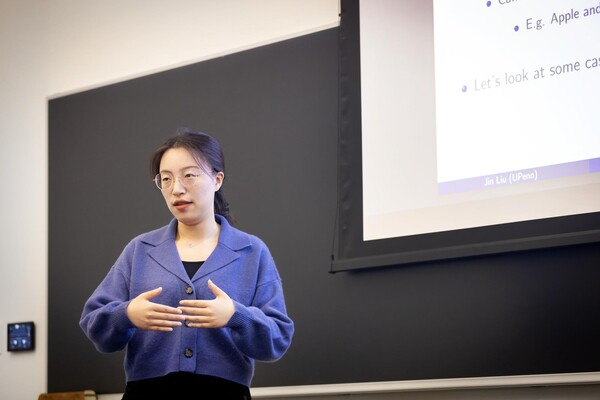
Penn GSE alum Brad Latimer teaches algebra at Science Leadership Academy High School.
(Image: Joe McFetridge for Penn GSE)
The program is designed to strengthen instructional practices, deepen content knowledge, and build a collaborative city-wide network of Algebra educators. The three-year grant will serve up to 100 teachers per year, who will earn a $3,000 stipend, professional learning credits, and a Penn GSE certificate of participation.
“We are honored to partner with the Neubauer Family Foundation in advancing innovative approaches to Algebra 1 instruction. This fellowship was created in direct response to a need identified by the School District of Philadelphia, and we are proud to help meet that need with evidence-based support for teachers,” says Katharine O. Strunk, dean of Penn GSE. “The Foundation’s generous investment will empower educators with the tools and strategies they need to support student success in this foundational subject.”
The Algebra 1 Fellowship builds on Penn GSE’s expanding partnership with the School District of Philadelphia, which includes the recently launched PASS (Promoting Achievement and Support for STEM) program, which provides professional development in artificial intelligence and emerging technologies for K-12 leaders and educators.
Nanoparticle blueprints reveal path to smarter medicines
New research involving Penn Engineering shows detailed variation in lipid nanoparticle size, shape, and internal structure, and finds that such factors correlate with how well they deliver therapeutic cargo to a particular destination.
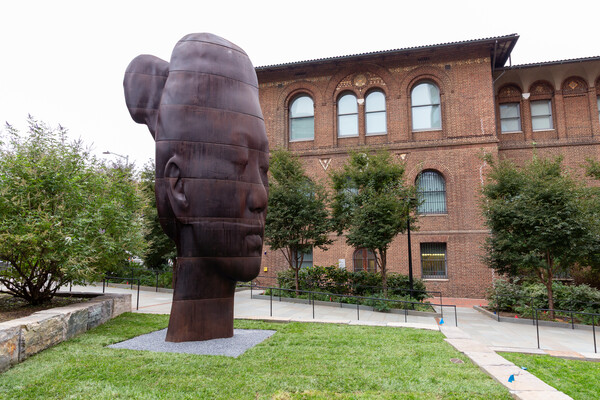
A generous gift from alumni Glenn and Amanda Fuhrman brings the work of internationally acclaimed artist Jaume Plensa to the University of Pennsylvania. The latest addition to the Penn Art Collection expands Philadelphia's public art.
A massive chunk of ice, a new laser, and new information on sea-level rise
For nearly a decade, Leigh Stearns and collaborators aimed a laser scanner system at Greenland’s Helheim Glacier. Their long-running survey reveals that Helheim’s massive calving events don’t behave the way scientists once thought, reframing how ice loss contributes to sea-level rise.