The single word most associated with negative hospital reviews
Analyzing Yelp reviews reveals a trend of poor communication.
When analyzing reviews of hospitals on Yelp, Penn Medicine researchers found that the word most associated with negative reviews, including those rated at one-star, was “told,” which appeared in almost 20 percent of the posts. Published in the Journal of General Internal Medicine, the study points to the value patients and their loved ones’ place on communication in health care settings.
Among the one-star reviews the researchers saw that featured “told” were frustrations about information that was ostensibly shared (“They never told me the cost of any of the procedures”), anger at a lack of listening (“I told her I did not want to discuss it any more but she persisted to badger me”) and feelings of futility (“Some idiot doctor examined me and told me there was nothing they could do for me”).
“Oftentimes, words such as ‘told’ hint at a breakdown in communication,” says Anish Agarwal,a National Clinician Scholars fellow and emergency medicine physician at Penn Medicine. “I suspect that patients are not feeling listened to or heard and this could be driving poor experiences and low reviews.”
In Senegal, the ambitious Dakar Greenbelt project seeks to create an extensive network of ecological infrastructure in and around the city to sustainably address environmental concerns and enhance urban life. With support from David Gouverneur and Ellen Neises, Ph.D. candidate Rob Levinthal in the Weitzman School of Design led two courses that included a field trip to Dakar, that culminated in students presenting their visions for parts of the Greenbelt.
From a desert to an oasis: Penn engages in ambitious greening effort in the Sahel
Students from the Weitzman School of Design journeyed to Senegal to help with a massive ecological and infrastructural greening effort as part of their coursework. The Dakar Greenbelt aims to combat desertification and promote sustainable urban growth.
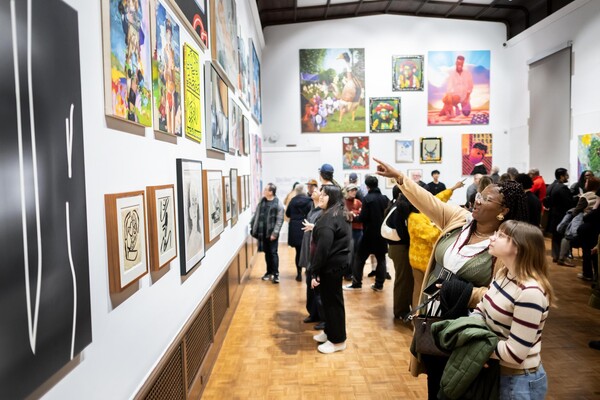
As part of an undergraduate course, Penn faculty and students curated an Arthur Ross Gallery exhibition of works from the Neumann family’s extensive collection of modern and contemporary art.
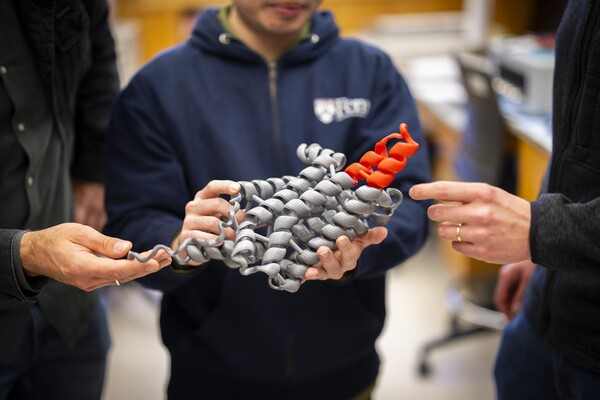
The University’s nexus for technology transfer supports researchers in their innovative efforts, from CAR T to mRNA advancements that have dramatically reshaped the world.