After Minneapolis police killed George Floyd in May, sparking nationwide demands for police accountability and justice, project requests began to pour into the Quattrone Center. Associate Dean and Executive Director John Hollway understands the increase in requests to be a testament to both the trust people had in the Center’s capabilities and the widespread desire for positive change.
“A lot of jurisdictions turned to us and said, ‘help us respond to our community’s calls to reform,’” Hollway says. “So the law students got really substantive opportunities.”
University of Pennsylvania Carey Law School interns worked on three Quattrone Center projects over the summer: a sentinel event review with the Tuscon Police Department; a comparison of the efficacy of public defender office models; and a data analysis of prosecutorial misconduct in Pennsylvania.
In Senegal, the ambitious Dakar Greenbelt project seeks to create an extensive network of ecological infrastructure in and around the city to sustainably address environmental concerns and enhance urban life. With support from David Gouverneur and Ellen Neises, Ph.D. candidate Rob Levinthal in the Weitzman School of Design led two courses that included a field trip to Dakar, that culminated in students presenting their visions for parts of the Greenbelt.
From a desert to an oasis: Penn engages in ambitious greening effort in the Sahel
Students from the Weitzman School of Design journeyed to Senegal to help with a massive ecological and infrastructural greening effort as part of their coursework. The Dakar Greenbelt aims to combat desertification and promote sustainable urban growth.
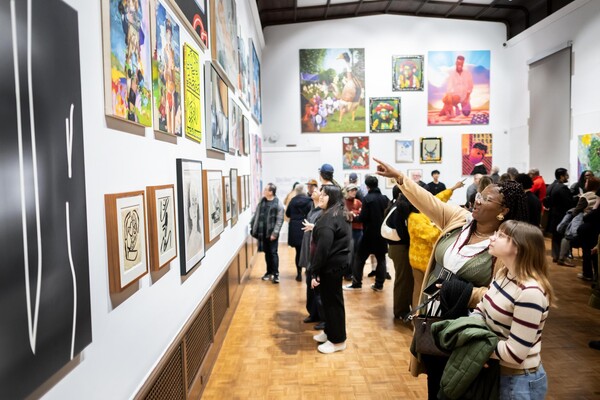
As part of an undergraduate course, Penn faculty and students curated an Arthur Ross Gallery exhibition of works from the Neumann family’s extensive collection of modern and contemporary art.
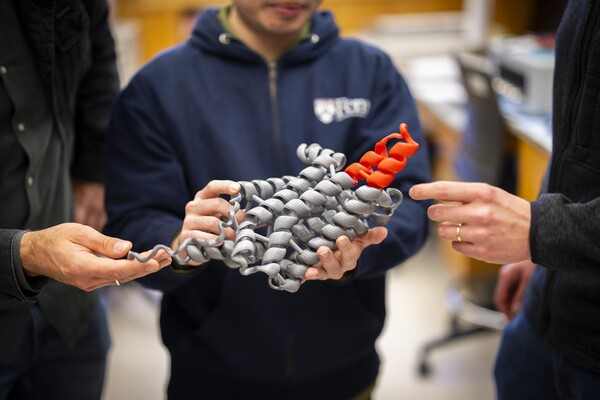
The University’s nexus for technology transfer supports researchers in their innovative efforts, from CAR T to mRNA advancements that have dramatically reshaped the world.