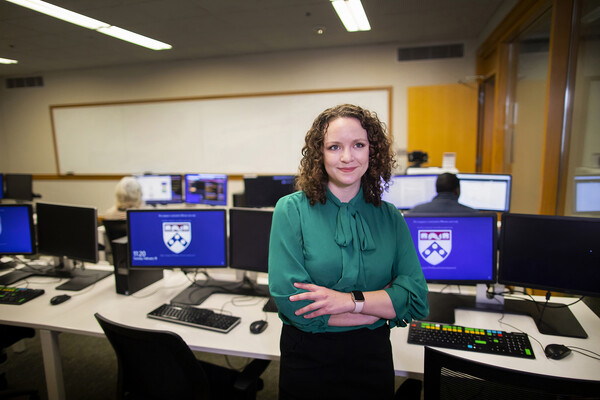
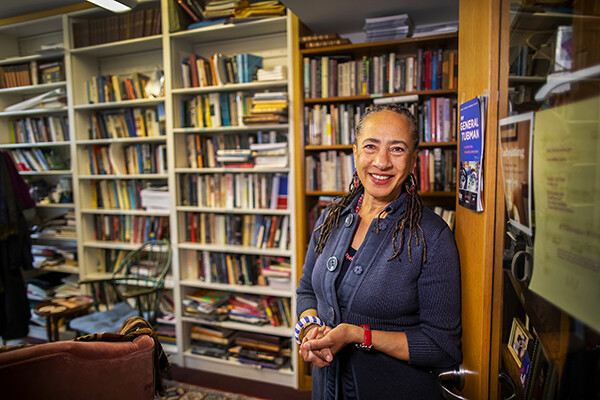
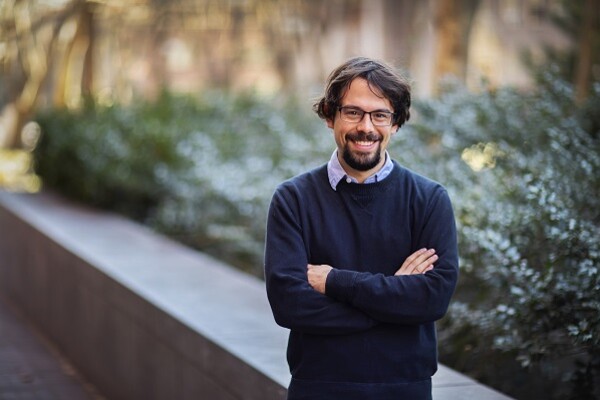
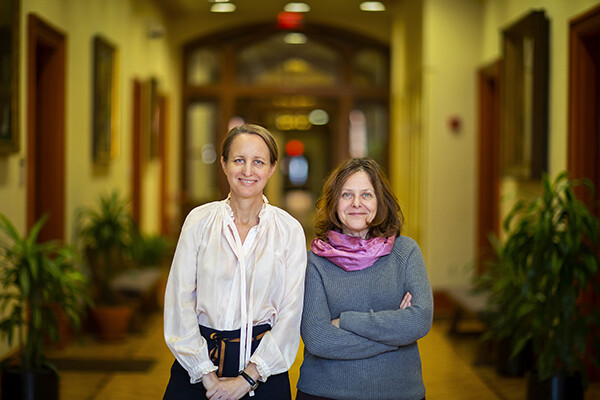
Professor of History Sophie Rosenfeld and Professor of Education Sigal Ben-Porath unite their perspectives on truth for Penn Today's first “Understand This ...” podcast episode.
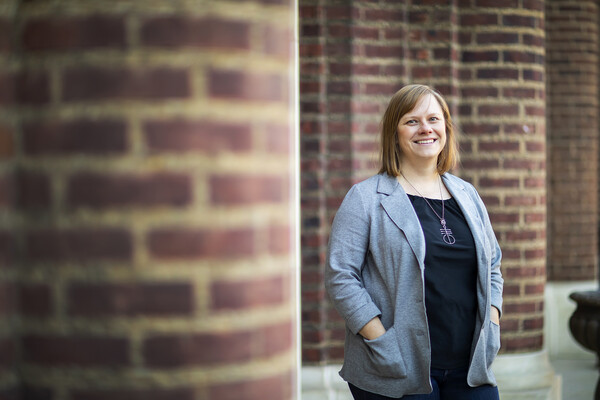
Megan Kassabaum is an assistant professor in the Department of Anthropology in the School of Arts & Sciences at the University of Pennsylvania and the Weingarten Assistant Curator for North America at the Penn Museum.
The curious case of ancient bear bones at a Mississippi dig site
Penn and UNC Chapel Hill researchers theorize that the considerable black bear remains indicate an animal that was a food source and considered close kin to the people who lived there 1,300 years ago.
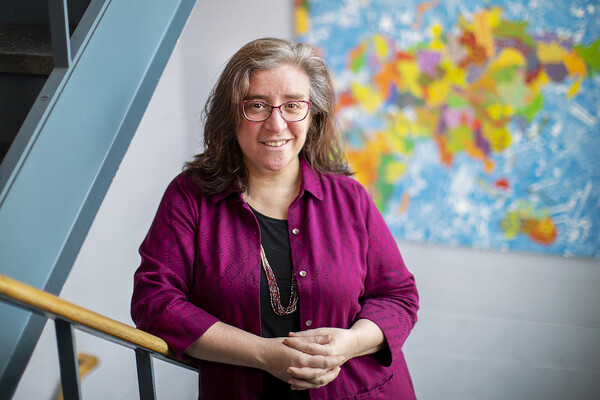
Allison Werner-Lin, associate professor in the School of Social Policy and Practice.
Working on ‘the human side’ of heritable cancers
How do you talk about cancer risk? How do you make major life decisions knowing you are likely to develop cancer? Allison Werner-Lin looks at these questions, studying the intersection of genetics and family life.
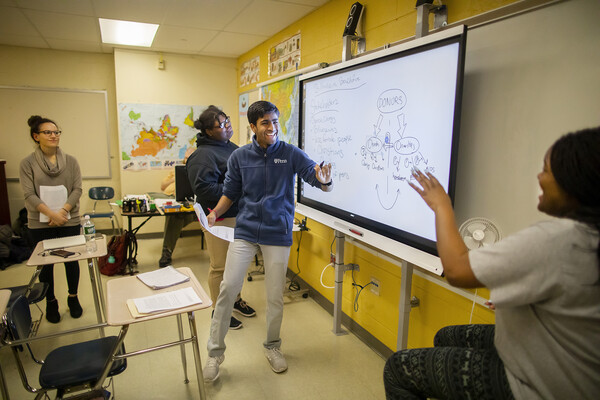
Learning civil discourse and open-mindedness from high schoolers
In the city’s first regional Ethics Bowl, facilitated by Penn philosopher Karen Detlefsen and Graduate School of Education doctoral student Dustin Webster, six local teams competed for a chance at Nationals.
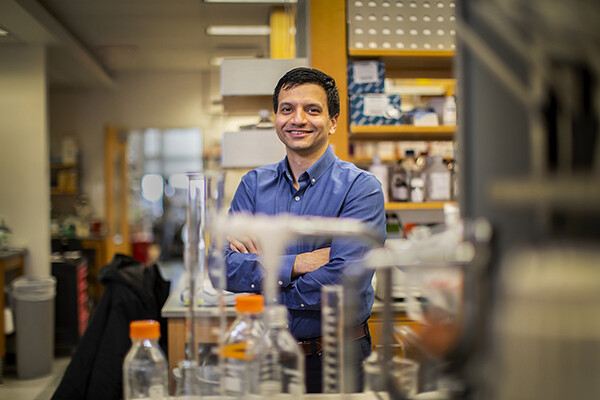
Meet Vikram Paralkar, an oncologist at Penn Medicine who has received extraordinary attention for his new fiction novel, “Night Theater,” a story where a surgeon is asked to bring the dead back to life.
From left, Dana Clarke, an assistant professor of interventional radiology at the School of Veterinary Medicine, Martin Cheatle, director of behavioral medicine at the Penn Pain Medicine Center, and Michael Ashburn, director of the Penn Pain Medicine Center.
Managing pain in the age of opioids
Medical professionals from the Perelman School of Medicine, the School of Dental Medicine, and the School of Veterinary Medicine discuss treating pain during the opioid crisis.
Day after day, a goal to improve digital inclusion
As technology continues to flourish, there’s always the need for someone to ensure it is, indeed, accessible for all. That is precisely Kara Gaulrapp’s role at Penn.
A time traveling Harriet Tubman, brought to life on stage
English faculty Lorene Cary’s first play features a time traveling Harriet Tubman who toggles between her 19th-century life and a present-day Philadelphia prison where she recruits soldiers to fight with her in the Civil War. Playing to sold-out audiences, “My General Tubman” is on stage through mid-March at Arden Theatre Company.
Reports from the humanitarian crisis on the Colombian border
Master of Social Work Program student Patrick Ammerman, a 2019 Pulitzer Center fellow, spent more than two months reporting from the Venezuelan-Colombian border.


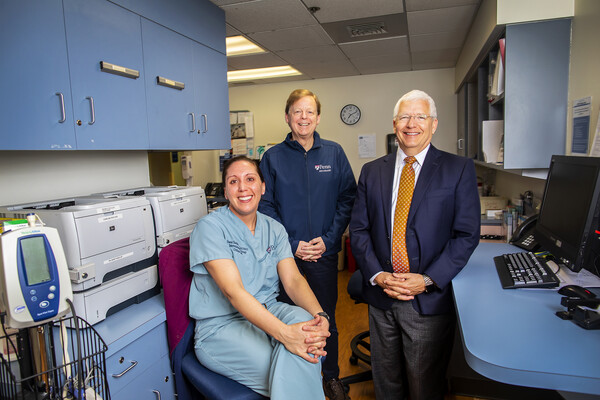 From left, Dana Clarke, an assistant professor of interventional radiology at the School of Veterinary Medicine, Martin Cheatle, director of behavioral medicine at the Penn Pain Medicine Center, and Michael Ashburn, director of the Penn Pain Medicine Center.