Improving patient experiences in cancer clinical trials
Cancer clinical trials (CCTs) provide patients an opportunity to receive experimental drugs, tests, and/or procedures that can lead to remissions. For some, a CCT may seem like their only option. Yet little is known about the experiences of patient participants who withdraw from CCTs.
Now, a first-of-its-kind study from the University of Pennsylvania School of Nursing (Penn Nursing) helps to clarify the post-trial needs of these patients and define what constitutes responsible transitions when patients exit CCTs.
“Understanding the post-trial needs of patients with cancer and their families represents a measure of ethical respect of the many contributions that patients with cancer make to advancing our scientific knowledge and finding treatments that save lives,” says Connie M. Ulrich, the Lillian S. Brunner Chair in Medical and Surgical Nursing, professor of nursing, professor of medical ethics and health policy, and lead investigator.
The study, “Experiences of Patients After Withdrawal from Cancer Clinical Trials,” is set for publication on the JAMA Network.
The study highlights three important points:
Patients exiting CCTs feel intense symptoms, emotions, and awareness that their life spans are short and options seem limited.
Limited discussions with exiting patients about their immediate post-trial care needs leave many feeling that there is no clear path forward.
Good communication that deliberately includes attention to post-trial needs throughout the CCT is needed to help scared and disappointed patients navigate their next steps.
Nanoparticle blueprints reveal path to smarter medicines
New research involving Penn Engineering shows detailed variation in lipid nanoparticle size, shape, and internal structure, and finds that such factors correlate with how well they deliver therapeutic cargo to a particular destination.
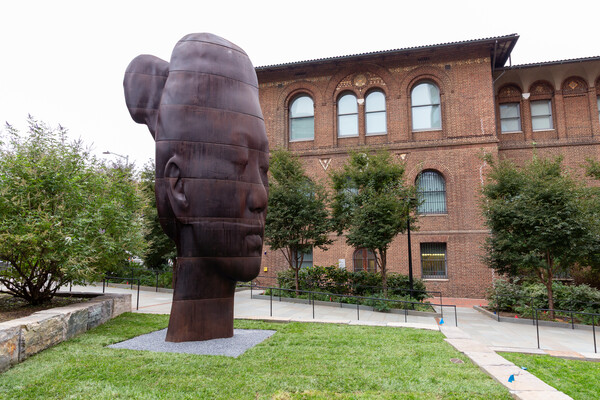
A generous gift from alumni Glenn and Amanda Fuhrman brings the work of internationally acclaimed artist Jaume Plensa to the University of Pennsylvania. The latest addition to the Penn Art Collection expands Philadelphia's public art.
A massive chunk of ice, a new laser, and new information on sea-level rise
For nearly a decade, Leigh Stearns and collaborators aimed a laser scanner system at Greenland’s Helheim Glacier. Their long-running survey reveals that Helheim’s massive calving events don’t behave the way scientists once thought, reframing how ice loss contributes to sea-level rise.