A survey of summer construction progress across campus
Ahead of Move-In and the start of a new academic year, construction teams mark milestones in vital renovations and maintenance across the University.
5 min. read
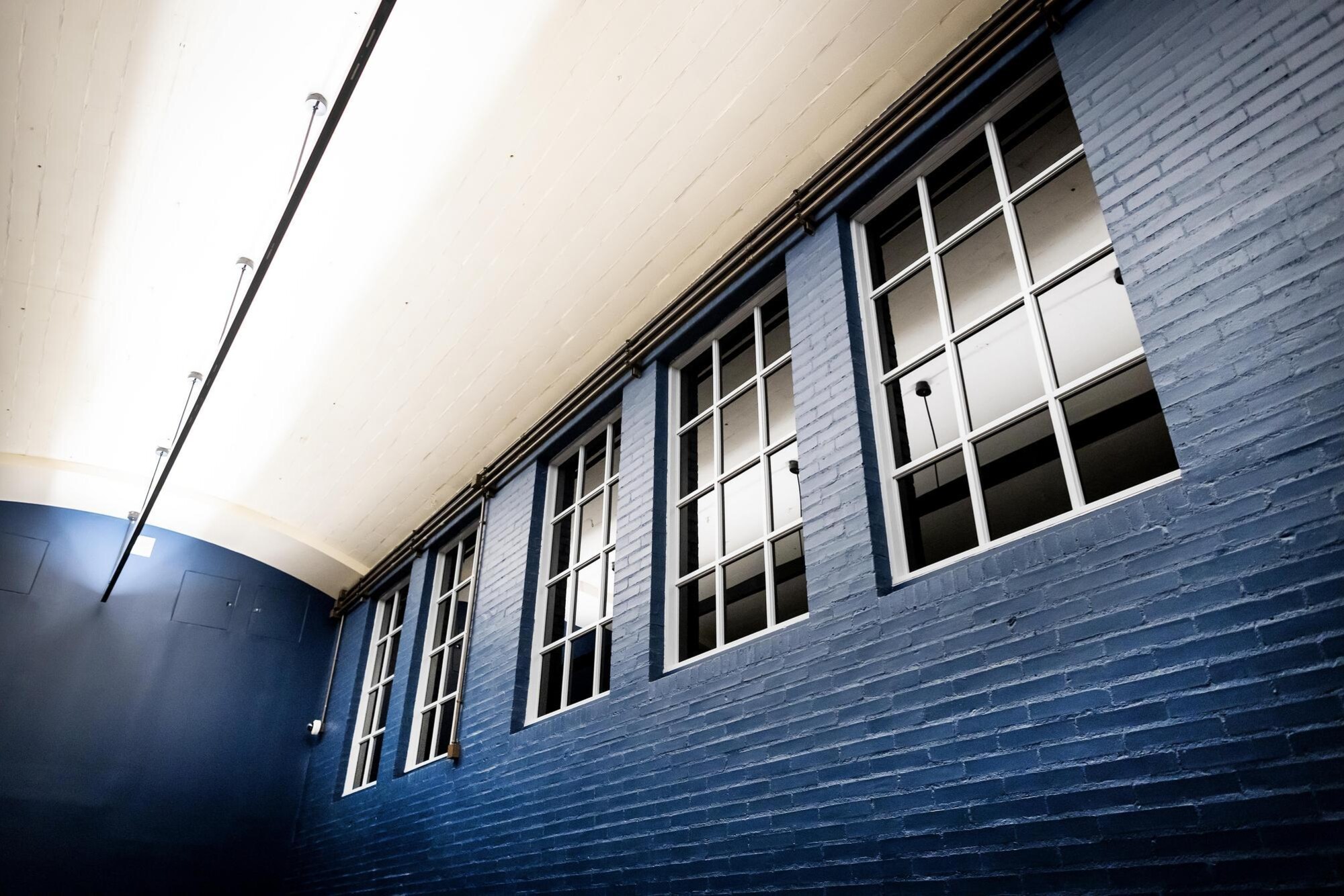
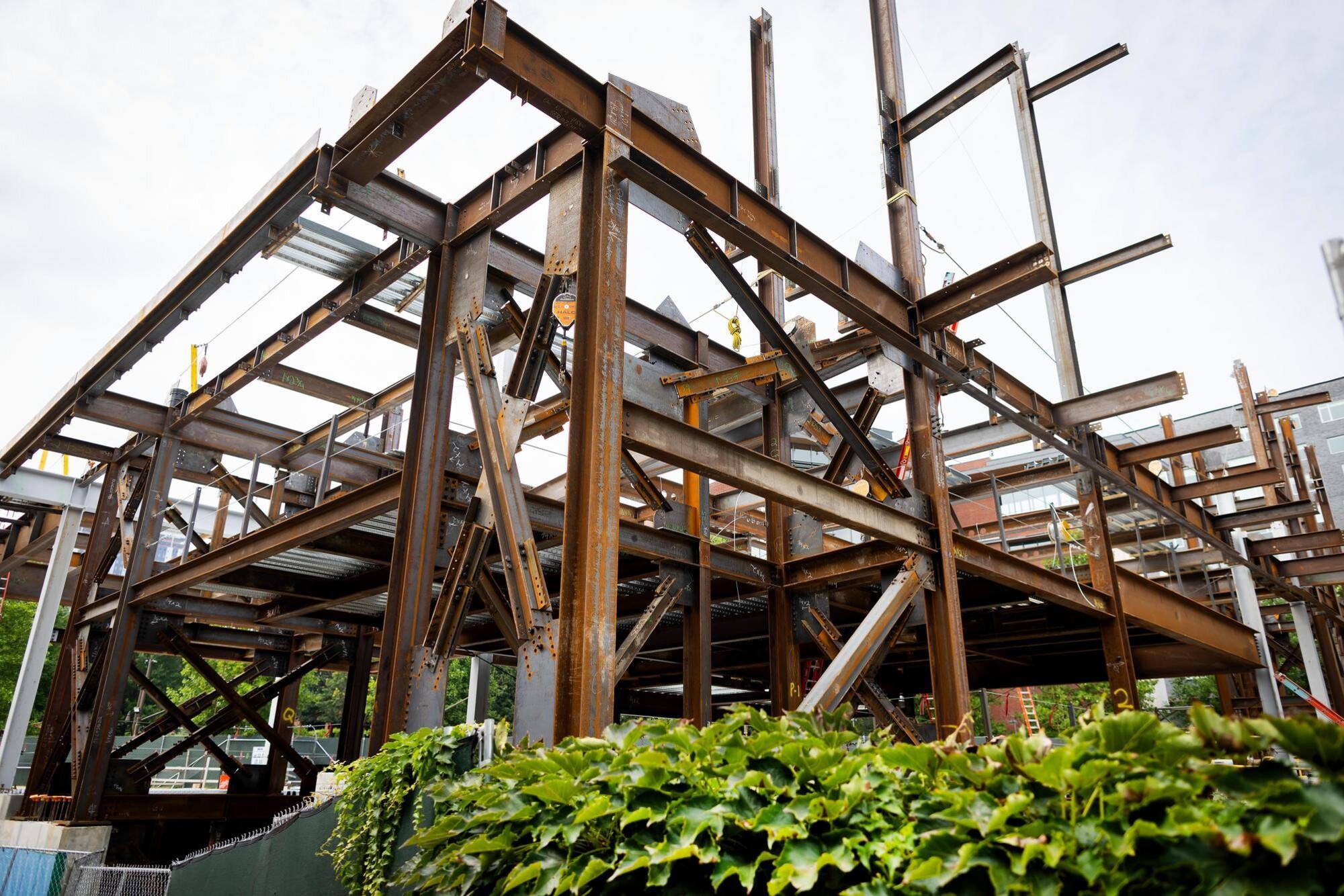
A split indoor/outdoor view from inside Stuart Weitzman Hall, which is undergoing construction of an additional, connected building with new design studios and student maker spaces.
This summer, construction crews across campus continued work on multi-year projects and put finishing touches on some spaces before the start of the fall semester.
These projects are designed with the University’s strategic framework In Principle and Practice top of mind—centering sustainable, people-first campus planning that will knit Penn communities together for generations to come.
Penn Museum
Phase two of the Penn Museum renovation, which will reach substantial completion this month, anticipates the launch of its Ancient Egypt: Life and Afterlife galleries in late 2026. In addition, the Penn Museum will unveil its new Native North America Gallery in late November.
“We are essentially making sure that the core and shell of the Museum will support that future exhibit, as well as any other future exhibits,” says Chris Kern, executive director of design and construction at FRES.
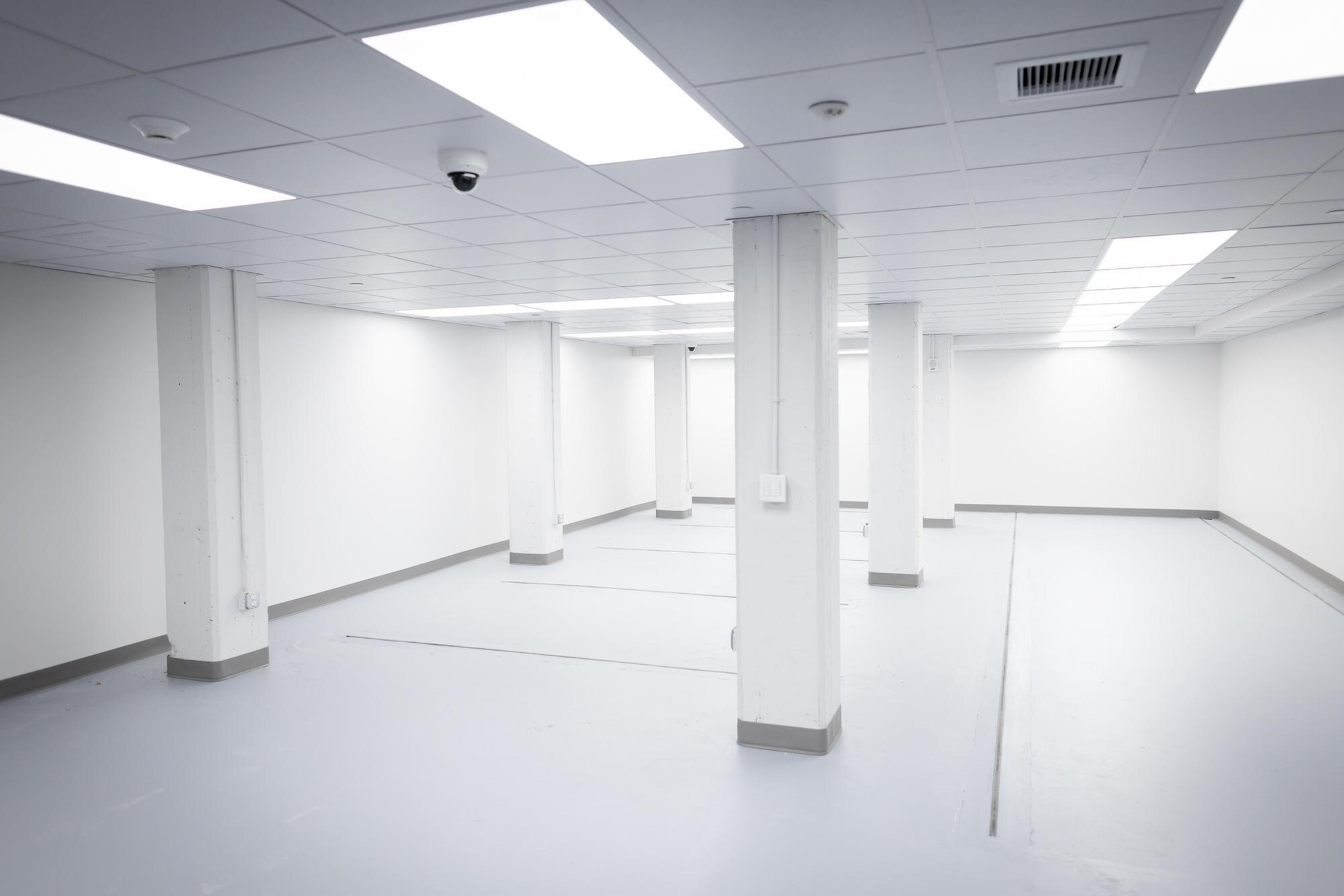
Renovations at the Penn Museum include upgrades in the Coxe Wing first-floor storage space and structural improvements to the Lower and Upper Egypt Galleries.
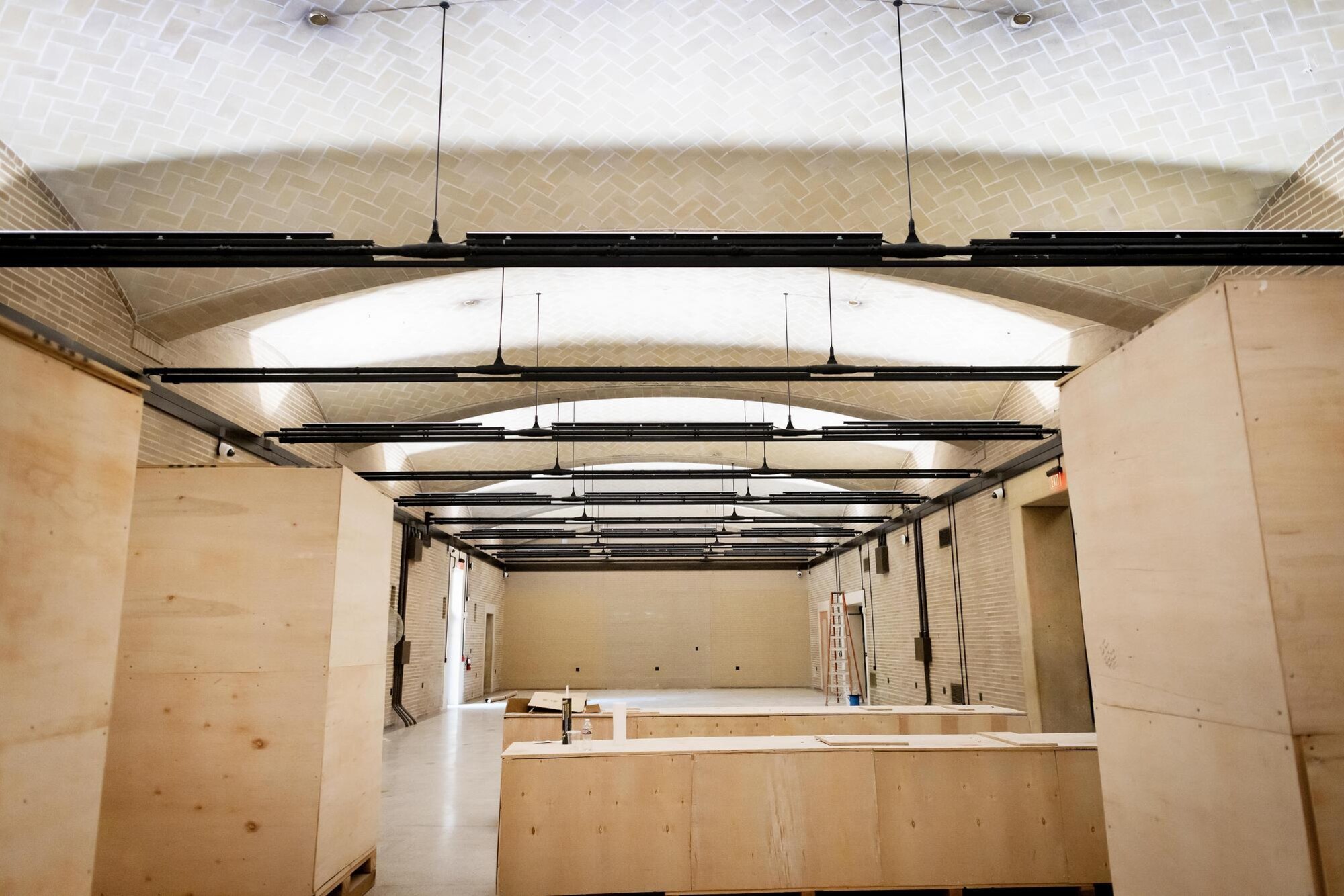
The Museum project involves an overhaul of the Coxe Wing first-floor storage space. It also includes a revamp of the Lower and Upper Egypt Galleries. This revamp enables “the restoration of the Upper Egypt Gallery to its original magnificence,” says Kern, noting how “the structural reinforcement allows them to display some artifacts that they couldn't display prior to the renovation.”
The Gallery floor’s integrity has been reinforced to withstand a set of ancient columns previously held in storage, enabling these artifacts to be properly displayed for public admiration.
Stuart Weitzman Hall
Another notable venture is Stuart Weitzman Hall, which marks the Weitzman School of Design’s first new facility in 58 years. The multipurpose building will include art and design studios, research facilities, classrooms, faculty offices, student maker spaces, and rooms for meetings and exhibitions.
Renovations to Stuart Weitzman Hall—formerly the Morgan Building—span the construction of a connected, multipurpose building with new studios, research facilities, classrooms, offices, maker spaces, and exhibit rooms.
These efforts prioritize the evolving needs of Weitzman students and faculty. “It will allow them to consolidate some of the program that’s in leased space currently, as well as to offer a better student experience,” Kern says.
Stuart Weitzman Hall, previously the Morgan Building, embodies Penn’s commitment to sustainability by repurposing existing infrastructure, Kern says. Additionally, it considers the layout of adjacent walkways. Kern notes there will be a new front porch that leads onto Smith Walk, creating an entrance for those coming from Meyerson Hall.
Student Performing Arts Center
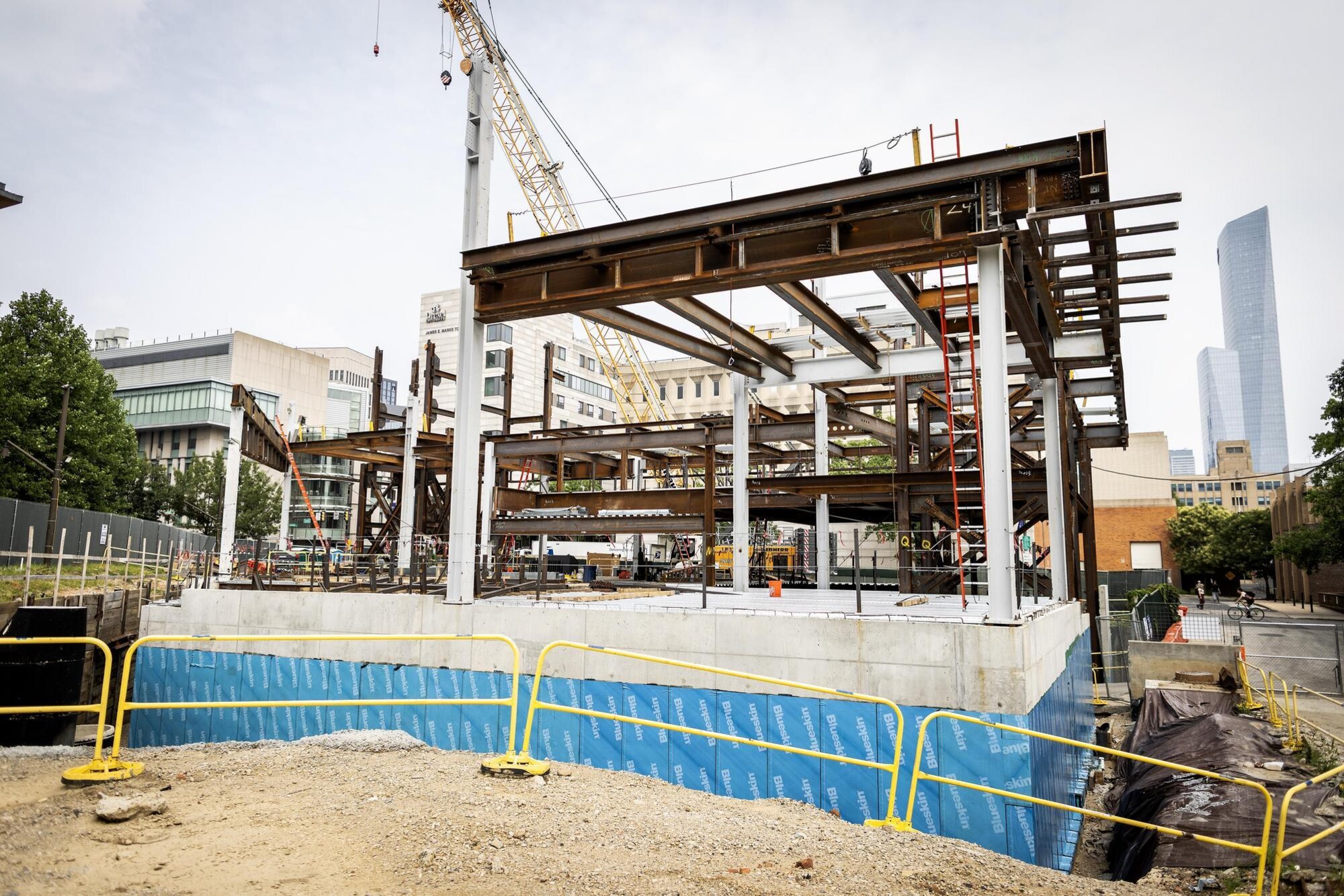
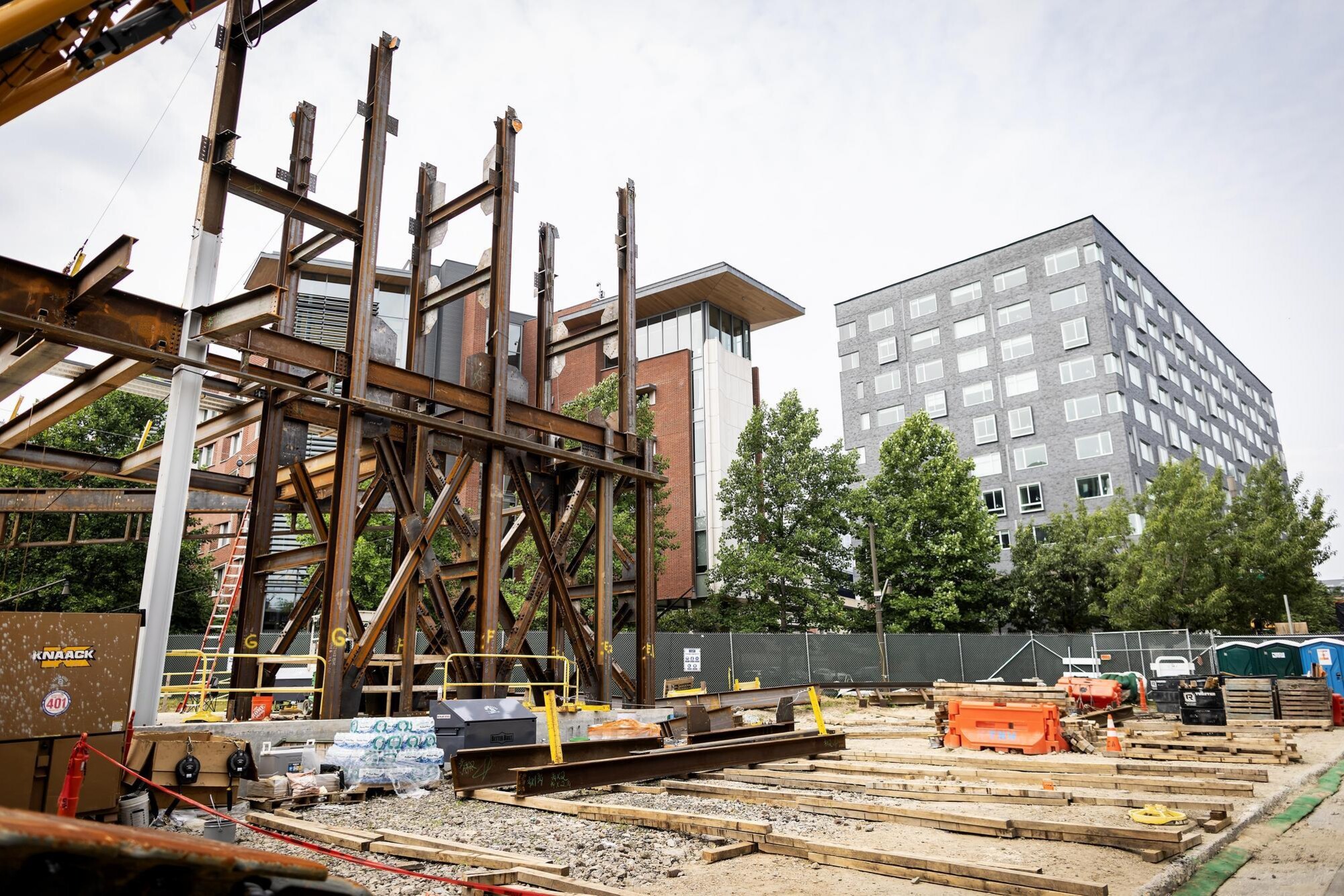
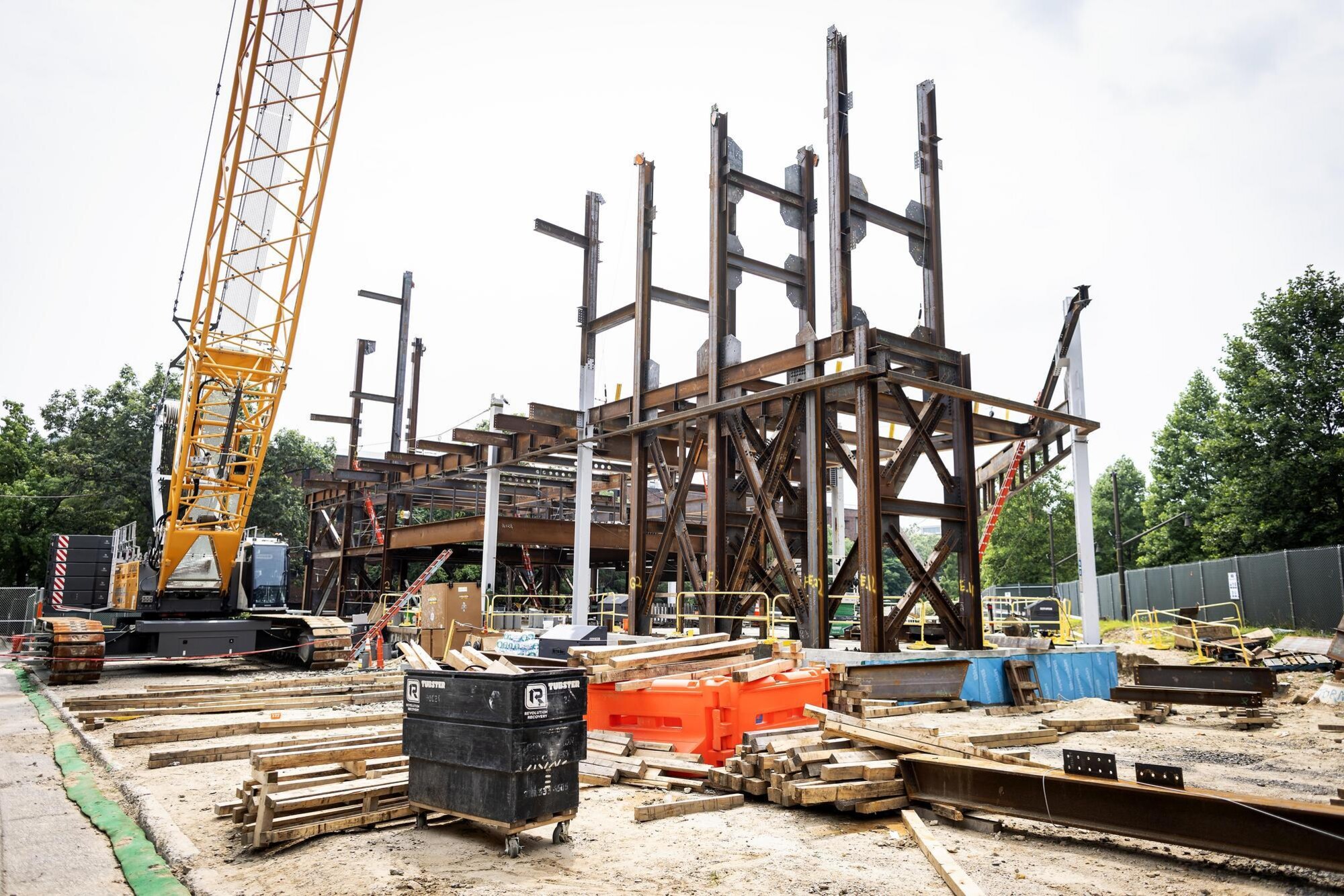
The Student Performing Arts Center, scheduled for substantial completion in September 2026, is still early in development. Vertical columns and steel frameworks are now taking shape, laying the groundwork for several interior features: a 300-seat proscenium theater, a full fly tower and orchestra pit, a 125-seat studio theater, and five rehearsal studios.
These attractions, Kern explains, are responsive to the needs of various students and faculty, as well as the expectations of modern theatergoers. FRES hosted listening sessions with staff from Penn Live Arts and other performance-related centers across the University to help inform the project design.
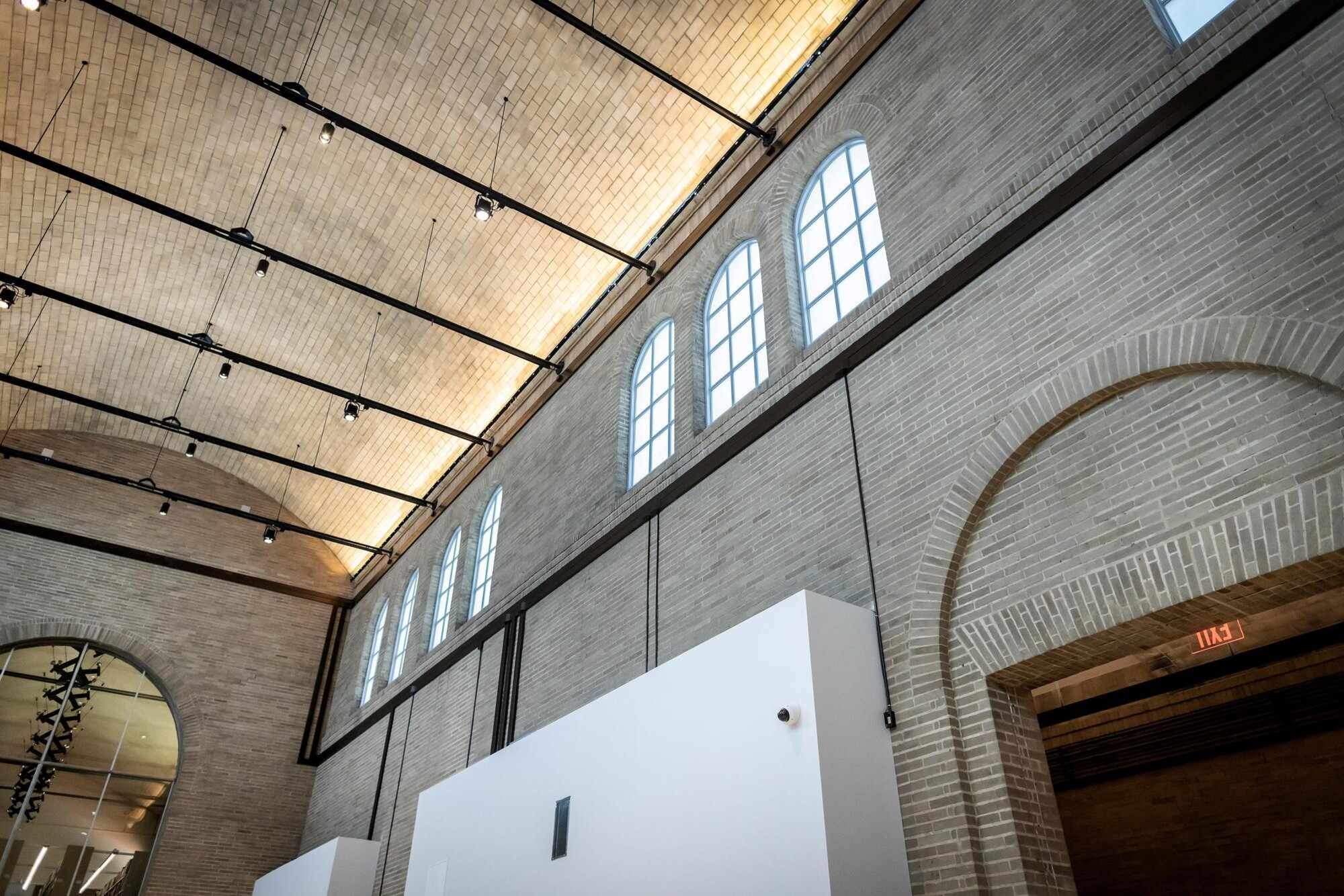
Floor, wall, and ceiling infrastructure is taking shape at the Student Performing Arts Center.
“There isn’t an operating orchestra pit on campus now, so that will certainly enable different types of student performances there,” Kern says. He also notes the proscenium theater will have unique seating arrangements for various types of events, including new audiovisual features to elevate student learning experiences. “It’ll have all new theatrical, state-of-the-art lighting systems [and] equipment that students will learn how to operate as part of their work.”
“It’s also a gateway building,” Kern adds. The performance center will lead visitors from 33rd and Chestnut into campus; it will also be situated near the historic 125 Years walkway and two residential college houses. This prime location, he says, will make the building easily accessible to students.
The Quadrangle
Currently in phase two of three, the multi-year Quad renovation began in the summer of 2022 and was slated for three, 15-month construction periods. Each phase of the Quad construction, Kern says, strategically builds upon the last, encompassing upgrades to the Riepe, Ware, and Fisher Hassenfeld College Houses, respectively.
By project completion in August 2026, new features in the college houses will include 1,400 student bedrooms, common spaces, all-gender restrooms, elevators, and reconstructed chimneys, as well as window and roof improvements.
Several upgrades are ready across the Quad, including renovated bedrooms, lounges, restrooms, study areas, elevators, chimneys, lighting, and flooring.
In Riepe, which reopened back in August 2024, several lounge areas have been refreshed, and new elevators increased accessibility to these common spaces. As for Ware—under construction since last summer—the Junior Balcony and skylights have been reconfigured, among other structural upgrades. The Quad enhancements also provide easier access to McClelland dining hall, which serves as a social hub for many students.
“The big takeaway is that students are going to reoccupy the McClelland Cafe area in that lower portion of the Quad, and now the upper Quad is going to be under construction,” Kern says. Phase two of Quad renovations created a barrier between the upper and lower Quad areas, which operated separately last year.
“In this case, they’re kind of rejoined,” Kern says. “The McClelland dining experience will be refreshed and remodeled, so that’ll be a huge improvement for students there.”
In the spirit of preservation, FRES has worked to retain the historic theme of the Quad. Upgrades to lighting, common areas, floor integrity, and other features have not interfered with maintaining the exterior appearance of the building—a remarkable feat that reflects the University’s commitment to campus stewardship.
Athletics, hospitality, and research facilities
There are many other notable construction projects in progress at Penn. One is the new Riepe Center for Advanced Veterinary Education at New Bolton Center, which will include veterinary teaching and meeting spaces and a modern simulation lab. Another is the interior renovation of floors three to eight at 3600 Civic Center Boulevard to support relocation of dry research from Blockley Hall.
Additionally, construction on the new Plant Science Lab at the Morris Arboretum & Gardens is now complete. The space features a cutting-edge wet lab space and state-of-the-art equipment for staff to conduct research into the anatomy, genetics, and molecular biology of rare and common plants.
Renovations to the Sheerr Pool, located in the Pottruck Health & Fitness Center, are also finished. These include upgraded filtration, mechanical equipment, ventilation, and accessibility, plus new entry stairs and diving boards, among other features.
The Sheraton hotel in University City is also undergoing improvement, spanning renovations of 332 guest rooms; select meeting rooms and hotel common areas; mechanical, electrical, and plumbing improvements; and garage structural and facade repairs.
Marking numerous milestones
Penn also ensures these projects achieve a minimum LEED Silver certification, which signifies a certain level of sustainable, energy-efficient design according to the United States Green Building Council’s widely recognized rating system. FRES collaborates across schools and centers to restore existing buildings—like in the cases of Penn Museum, Stuart Weitzman Hall, and the Quad—to reach this sustainability standard and help each school advance their goals.
“It’s all a big team effort,” Kern says. “I think we celebrate those connections at the end of a project just as much as we celebrate the completed work.”
Novel plant-based approach to a better, cheaper GLP-1 delivery system
Research led by Penn Dental’s Henry Daniell investigates the use of a lettuce-based, plant-encapsulated delivery platform as a new oral delivery of two GLP-1 drugs previously approved by the FDA in injectable form.
No brain, no gain: Neuronal activity enhances benefits of exercise
Research led by Penn neuroscientist J. Nicholas Betley and collaborators finds that hypothalamic neurons are essential for translating physical exertion into endurance, potentially opening the door to exercise-mimicking therapies.
In honor of Valentine's Day, and as a way of fostering community in her Shakespeare in Love course, Becky Friedman took her students to the University Club for lunch one class period. They talked about the movie "Shakespeare in Love," as part of a broader conversation on how Shakespeare's works are adapted.
In Becky Friedman’s English course Shakespeare in Love, undergraduate students analyze language, genre, and adaptation in the Bard’s plays through the lens of love.
Beating the heat: Designing cooling for bodies in motion
Dorit Aviv, director of Weitzman’s Thermal Architecture Lab, studies how humans, technology, and design intersect, paving the way for the development of novel approaches to cooling people efficiently.